The most common 3PL company FAQ's
Thinking about handing off fulfillment? Here's what small business owners need to know about 3PL pricing, timing, and choosing the right partner.
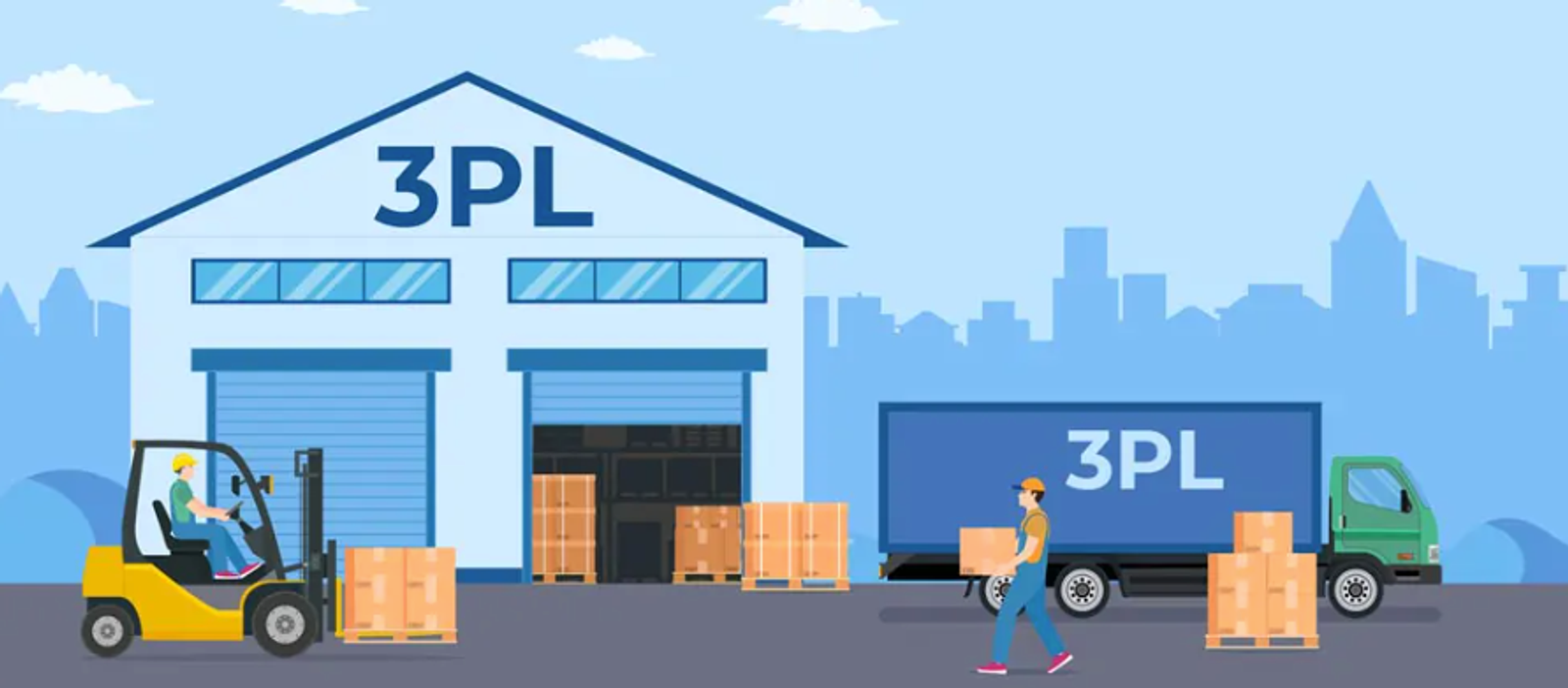
What is a 3PL company?
A 3PL (short for third-party logistics) is a company you hire to handle the physical side of getting orders to your customers — warehousing your inventory, picking and packing each order, and shipping it out the door. Instead of running your own warehouse, you ship your products to theirs and let them take it from there. That frees you up to focus on the parts of the business that actually grow it: building better products, marketing, and serving customers.
How much do 3PL companies charge?
3PL pricing is modular, which is a polite way of saying you'll see a lot of line items. The main ones to expect:
- Pick and pack: $2–$10 per order
- Storage: $15–$40 per pallet, per month
- Receiving: $25–$50 per pallet
- Add-ons: kitting, custom packaging, returns processing, etc.
For a typical ecommerce order, all-in costs usually land between $5 and $15, depending on weight, packaging, and how far it's shipping. Before signing anything, get itemized quotes from at least three 3PLs using your real order data — average order weight, monthly volume, destinations. Apples-to-apples comparisons are the only way to see who's actually competitive.
When should I switch to a 3PL?
The rough threshold is around 200 orders a month. At that volume, packing and shipping starts eating 40 to 60 hours of someone's time every month — usually yours. A 3PL becomes cheaper than hiring a part-time warehouse employee right around that point.
There's also a shipping rate angle worth knowing about. 3PLs ship millions of packages a year, and carriers give them volume discounts you simply can't get on your own. So even if your in-house operation is humming, you may be leaving real money on the table.
Other signs it's time to look: fulfillment errors are creeping up, you're running out of storage space, or you're spending hours on packing tape when you should be working on the business.
What's the difference between a 3PL and a fulfillment center?
A fulfillment center is the building — the physical warehouse where your inventory lives and orders get processed. A 3PL is the company running it. Every 3PL operates one or more fulfillment centers, but not every fulfillment center is a 3PL. Some larger brands own and operate their own facilities in-house.
Think of it like this: the fulfillment center is the kitchen, the 3PL is the restaurant.
Are the biggest 3PLs the best?
Not really. Size tells you how many warehouses a company has — not how well they'll handle your business.
The biggest players typically want clients shipping 10,000+ orders a month, run rigid workflows you have to bend your operation around, and put account managers between you and the people actually touching your inventory. Mid-sized 3PLs often do better on the things that matter to a small business: accuracy, responsiveness, and willingness to negotiate. When your account makes up a meaningful slice of their revenue, you tend to get treated like it.
What should I look for if I sell heavy or oversized products?
Big, heavy items need a 3PL that's actually built for them — forklifts, freight carrier relationships, packaging that survives rough handling, and warehouse staff who know how to move things that don't fit on a standard conveyor belt.
The fees to watch are Additional Handling Surcharges and Large Package Surcharges. Carriers tack these on for items over 50 pounds or longer than 48 inches on any side, and they can add $15–$30 per package. A 3PL that specializes in heavy or oversized freight will usually have pre-negotiated rates that come in 15–30% lower than what you'd get negotiating directly.